
Stray Dogs
There is no formal definition of a stray dog in law. A dog may reasonably be treated as a stray if it is roaming freely and not under the control of any person, irrespective of whether it has a home. This applies whether or not the dog wears a collar with identification or is microchipped.
Once a dog has been seized by a Dog Warden, owners have seven days to claim a dog. The Environmental Protection Act states that owners have to pay the fees set out by the Local Authority before they can reclaim a dog. The principle of paying fees to collect a stray dog was was originally set in The Dogs Act 1871 with the current system operating from 1992.
Where a dog has received veterinary treatment after seizure, the owners have also got to pay those fees.
The fees are set by the Local Authority with the fees collected by Animal Wardens returned to the Local Authority. The fee is not kept by Animal Wardens and we have no jurisdiction to waive or reduce a fee. No one at Animal Wardens has any flexibility regarding fees, we appreciate being informed of this over the phone is not what some callers want to hear. All staff hold firm to this approach, it does not mean they lack empathy or compassion, it is the rules, contractually, imposed upon us by the Local Authorities.
The service does not operate a search and capture operation, we only respond to individual members of the public who need assistance with a dog they have found. Out of hours we will only respond to finders requiring our assistance, dogs are not returned home out of office hours.
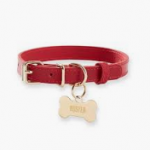 The Control of Dogs Order 1992 mandates that any dog in a public place must wear a collar with the name and address of the owner inscribed on the collar or on a plate or badge attached to it. If a dog is wearing such identification then finders would be able to contact owners of dogs and prevent having to use the Dog Warden service. Dog Tags are currently for sale at a fifty percent discount here.
Returning a dog home is not an instantaneous process, our primary role is to respond to finders of dogs who 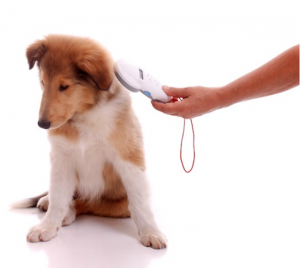 need our assistance and to look after the welfare of the dog. Checking microchips can be a lengthy process, a microchip is no more than a bar code. There are six organisations operating data bases for microchips, they don’t operate a twenty four hour 365 day service, it can take a while and in some instances, days to receive the details of an owner.
The fee is not a fine nor a fixed penalty notice, there is no prosecution for allowing your dog to stray, neither will the fee be collected if not paid. Local Authorities take the view that tax paying residents should not be financing the misdemeanor of dog owners. Local Authorities do not operate an appeal process.
However owners allowing dogs to persistently stray or cause problems with neighbours may be issued with a Community Protection Notice.